GI Volume Control Damper
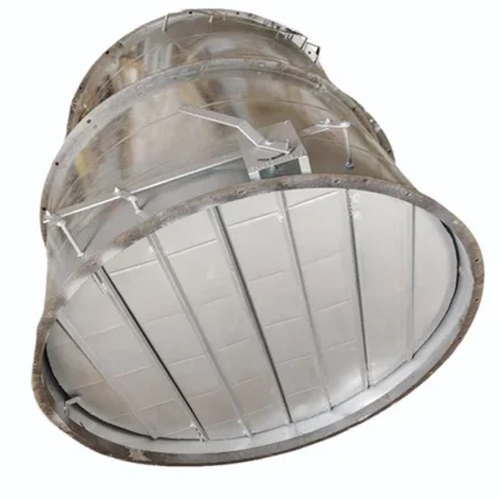
| Material | Galvanized Iron |
| Usage/Application | Industrial |
| Shape | Round |
| Surface Finish | Metallic |
| Thickness | 1 inch |
- Precise Airflow Regulation: GI volume control dampers are used in HVAC systems to manually or automatically regulate and balance airflow within ducts, ensuring optimal system performance.
- Robust Galvanized Construction: Constructed from galvanized iron, these dampers offer excellent strength, corrosion resistance, and long service life, even in demanding environments.
- Adjustable Blade Mechanism: Features multi-blade or single-blade configurations with options for parallel or opposed blade operation, allowing flexible and accurate airflow control.
- Key Benefits
Key Benefits

High Quality
Precise factory fabrication ensures superior quality compared to conventional Reinforced Concrete (RC) construction

Cost Savings
More affordable than reinforced concrete buildings, with additional savings in foundation work due to reduced weight
Earthquake Resistance
Lightweight and robust, it minimizes structural damage during high-magnitude earthquakes.

Material Efficiency
Combines steel's strength with concrete's versatility for durable, lightweight, and aesthetic structures.

Localized Adaptability
Ideal for regions with poor soil conditions, reducing the cost and time of foundation work
Green Building Certification
Qualifies for certifications such as LEED and EDGE, offering additional benefits like extra Floor Area Ratios for developers

Sustainability
Promotes eco-friendliness by reducing the depletion of quarries and riverbeds

Salvage Value
Higher resale and reuse potential for steel compared to RC components

Faster Construction
Cuts construction time by up to 50%, enabling quicker project delivery and faster Return on Investment (ROI) compared to conventional RC construction

Environmental Benefits
- 16% lower CO? emissions per square meter compared to RC structures
- Reduced dust and air pollution due to less concrete usage
- Conserves natural resources like water, sand, and aggregate